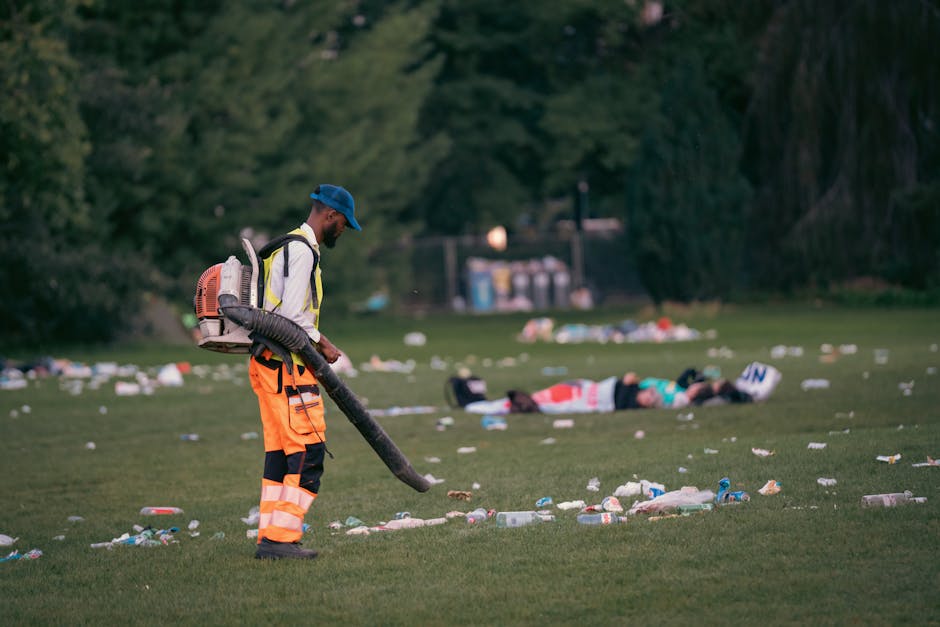
Olympia rubbish removal for event clearups in Earls Court
If you have ever stepped into a venue after a busy show, launch, or exhibition and seen the bins overflowing, packaging stacked by the wall, and one lonely champagne flute sitting on a windowsill like it owns the place, you will know why fast clear-up matters. Olympia rubbish removal for event clearups in Earls Court is about getting a site back under control quickly, safely, and without turning a stressful end-of-event scramble into a bigger headache.
Whether the job is a trade fair, a corporate hospitality night, a product launch, or a smaller private function, the clean-down phase is where standards really show. Mess left behind can create access problems, reputation issues, and sometimes safety risks. This guide walks through how event clear-ups work, what to expect, what to avoid, and how to choose the most practical waste solution for Olympia and the surrounding Earls Court area.
For readers who need a wider view of the service family around this kind of work, it can also help to look at rubbish removal, wait and load skip hire, and same day skip hire alongside the main event-clearup plan.
Table of Contents
- Why Olympia rubbish removal for event clearups in Earls Court Matters
- How Olympia rubbish removal for event clearups in Earls Court Works
- Key Benefits and Practical Advantages
- Who This Is For and When It Makes Sense
- Step-by-Step Guidance
- Expert Tips for Better Results
- Common Mistakes to Avoid
- Tools, Resources and Recommendations
- Law, Compliance, Standards, or Best Practice
- Options, Methods, or Comparison Table
- Case Study or Real-World Example
- Practical Checklist
- Conclusion
- Frequently Asked Questions
Why Olympia rubbish removal for event clearups in Earls Court Matters
Event waste is not ordinary household rubbish. After a busy venue hire or exhibition, the debris is often mixed, awkward, and time-sensitive. You may have cardboard, drinks bottles, catering waste, promotional materials, broken displays, plastic wrap, cable ties, stage dressing, and general rubbish all in one place. It adds up quickly, and it rarely waits politely until tomorrow.
In Earls Court, timing matters even more because access windows can be tight. Deliveries, loading restrictions, and shared site use can all make clean-up jobs feel like a careful dance. That is especially true around Olympia, where event schedules can change fast and the last thing anyone wants is waste left sitting in corridors or service areas while the next team is already waiting to move in.
Good rubbish removal is not just about appearance. It helps reduce slip hazards, keeps fire exits clear, improves post-event handover, and makes the whole venue team look organised. In our experience, that calm, efficient finish is what clients remember. Not the pile of rubbish. The lack of a pile of rubbish.
Expert summary: The best event clear-up is the one nobody needs to think about twice. Waste is collected quickly, the site is left clear, and the next part of the schedule can start without drama.
If your event includes back-of-house operations, it can also be useful to think beyond simple bin emptying. Services such as commercial skip hire and construction waste clearance can help when the tidy-up includes heavy display materials or stand dismantling.
How Olympia rubbish removal for event clearups in Earls Court Works
Most event clear-ups follow a fairly simple pattern, even if the setting is hectic. The cleaner the plan, the quicker the result. Truth be told, the smoothest jobs always start before the event ends, not after everyone has gone home.
1. Assess the waste stream
The first step is understanding what kind of waste has been generated. A product launch with lots of packaging is different from a catered gala with food waste and glass. A trade show is different again, because you may have pallets, signage, vinyl, carpet offcuts, and stand materials. The more clearly you separate those streams, the easier the removal becomes.
2. Decide on access and collection method
Not every site suits the same approach. Sometimes a skip is the neatest solution; other times a wait-and-load collection is better because there is no space for a container to sit outside. For properties and venues with tighter access, man and van services can be practical for smaller, quicker loads, while a grab hire services option can make sense for bulkier clearances where waste is piled in an accessible spot.
3. Clear priority areas first
A professional team will normally start with the areas that create the most operational risk: entrances, walkways, loading bays, fire exits, and catering spaces. That gets the venue safe and usable again quickly. Everything else can then follow in a more orderly sweep.
4. Remove, sort, and load efficiently
The actual removal stage should feel organised rather than rushed. Waste needs to be separated where required, loaded safely, and handled in line with the type of material involved. If there are bulky items such as display units or old seating, you may also want linked services like mattress and sofa disposal or fridge and appliance removal if the event setup included hospitality equipment or temporary furnishings.
5. Sweep, check, and hand over
The last stage is the one that separates a good clear-up from an acceptable one. Loose litter, broken ties, shards, tape, and small scraps should be picked up. A venue floor can look clean from a distance and still hide a dozen little trip hazards. No one wants that moment when a cable tie finds your shoe.
Key Benefits and Practical Advantages
The biggest benefit is simple: time saved. Event teams are usually already stretched, and the tidy-up often happens when staff energy is low. Having a dedicated waste removal plan avoids the slow, messy drift that happens when everyone assumes someone else is taking care of it.
There are also some very practical advantages that matter in real life, not just on paper:
- Faster venue turnaround: important when the next booking is close behind.
- Cleaner handover: leaves a better impression with venue managers and clients.
- Lower disruption: less lingering waste in public or shared spaces.
- Better safety: fewer trip hazards, obstructions, and sharp debris.
- More suitable handling of mixed loads: especially when event waste includes bulky or awkward items.
There is also a quieter benefit people sometimes overlook: confidence. If you know the waste plan is sorted, the rest of the event close-down feels less frantic. That sounds small, but after a long day, it is not small at all.
Where the event has a commercial or recurring nature, it may also be useful to compare longer-term support such as office clearance and site clearance if your event footprint includes temporary offices, pop-up fit-outs, or build-and-break activity.
Who This Is For and When It Makes Sense
This service is a strong fit for event organisers, venue teams, exhibitors, contractors, and hospitality operators. It also makes sense for anyone who needs the site back in shape quickly and does not want to spend staff time hauling waste around in bins that were never meant for the job.
Typical situations include:
- trade shows and exhibitions with stands to dismantle
- corporate launches with packaging, catering waste, and promotional materials
- wedding or private event clearups where furniture and decor need removing
- conference rooms with disposable staging, signage, and printed materials
- temporary production areas or backstage zones after a performance
If the event has generated a modest amount of waste, a straightforward rubbish removal service may be enough. If there is a heavier or mixed load, something like builders skip hire or builders waste removal can work well for stand dismantling, timber, plasterboard, and other solid materials from temporary builds.
One real clue that you need a proper plan? If the waste starts to spill into areas where staff are trying to work around it. Once that happens, the job is no longer just about waste. It has become an operations issue.
Step-by-Step Guidance
Here is a practical way to approach an event clear-up without overcomplicating it.
- Walk the site before the event ends. Spot the large items, awkward corners, and any restricted access points while people are still around to explain the layout.
- Sort the waste by type. Keep general rubbish, cardboard, glass, catering waste, and bulky items separate where possible.
- Choose the right removal method. A skip, wait-and-load collection, grab hire, or van-based uplift may suit different jobs.
- Protect the working route. Keep entrances and corridors clear so the clear-up crew can move efficiently.
- Load safely. Heavy items should go first only if it makes sense for weight distribution; sharp or breakable items need care.
- Do a final sweep. Check corners, under tables, behind staging, and around loading areas.
- Confirm the handover. Make sure the venue is left in the condition expected by the next team or client.
If the clear-up needs to happen on a tight deadline, looking at same day skip hire or wait and load skip hire can be sensible. For access-sensitive sites where leaving a skip in place is awkward, waiting on the vehicle while the waste is loaded can be a very neat solution.
Expert Tips for Better Results
There are a few small habits that make a surprisingly big difference.
Plan the waste route before the event begins
If you know where the waste is likely to build up, you can place bins or collection points in smarter places. That means less wandering around with half-full bags at the end of the night.
Use visible separation on site
Even a simple "cardboard here, general waste there" setup helps. People are more likely to do the right thing when the system is obvious. It does not need to be fancy. Clear wins.
Do not underestimate mixed waste
Event clear-ups often start with light, easy-to-handle materials and then suddenly include heavier or awkward items. A temporary stage, broken display frame, and folded carpet all have a way of appearing at the same time, usually when everyone is tired.
Choose collection timing carefully
Late-night uplift can be ideal after large events. For smaller ones, early next-morning removal may be better if access is less cluttered. The right time depends on the venue, the public traffic around the building, and how quickly the site must be handed back.
Keep one person in charge
This sounds obvious, but it helps. A single point of contact avoids crossed instructions, duplicate work, and the classic "I thought you had that bit" moment.
If there is confidential material in the mix, such as printed attendee lists, briefing documents, or exhibitor paperwork, it is worth separating that early and using a controlled solution such as confidential shredding. Not every event has that need, but when it does, people are usually glad they handled it properly.
Common Mistakes to Avoid
Some of the most expensive or frustrating problems in event clear-ups come from fairly ordinary mistakes. The good news? They are avoidable.
- Leaving waste segregation until the end: sorting one huge mixed pile is slower and more stressful.
- Choosing the wrong removal method: a skip is not always the best answer, especially where access is tight.
- Forgetting access restrictions: loading bays, closures, and local timing windows matter in Earls Court.
- Ignoring bulky waste early: large items can block the rest of the clean-up if they are left until last.
- Not checking for hazardous materials: some items need special handling and should never be treated as ordinary rubbish.
- Underestimating how long the final sweep takes: the last 10% of a clear-up often takes more than you think.
A slightly less obvious mistake is trying to save money by squeezing all waste into one tiny solution and hoping it will somehow work out. It usually does not. The site looks fine right up until the pile reaches the door. Then everybody sighs.
Where the waste includes anything risky or regulated, use the proper route. A specialist option such as hazardous waste disposal is there for a reason, and that reason is usually safety and compliance.
Tools, Resources and Recommendations
Good event clear-ups rely on more than a truck and a few bin bags. A few practical tools help a lot:
- heavy-duty refuse sacks for mixed lightweight waste
- gloves with decent grip for handling awkward items
- trolleys or dollies for bulky but movable materials
- cardboard flatteners or cutters for packaging
- clear signage for waste separation points
- protective floor coverings where spills or scuffs are likely
From a service perspective, it helps to know which solution matches which kind of job. A quick comparison is usually the easiest way to think about it.
| Method | Best for | Strengths | Trade-offs |
|---|---|---|---|
| Rubbish removal | Mixed event waste, smaller clearups | Flexible, quick, straightforward | May need multiple trips for larger jobs |
| Wait and load | Sites with limited space or loading time | No skip left on site, efficient handover | Needs the waste ready at collection time |
| Skip hire | Events with more volume or staged dismantling | Useful for continuous loading | Needs space and sometimes permits |
| Grab hire | Bulk waste in accessible piles | Fast removal of large loose loads | Less useful for very confined spaces |
| Man and van | Smaller, faster removals | Handy and adaptable | Not ideal for very large volumes |
If you are comparing costs or trying to match a solution to a budget, the pages on skip sizes and prices and pricing and quotes can help you understand the sort of options typically available.
Law, Compliance, Standards, or Best Practice
Event waste handling in the UK should be approached carefully. While the exact legal and operational responsibilities depend on the materials involved and the site set-up, good practice is fairly consistent: waste should be handled safely, kept in appropriate streams where practical, and passed to a service that knows how to manage it correctly.
For event teams, the main compliance questions are usually practical rather than theoretical. Are fire exits clear? Are staff moving waste safely? Is anything hazardous being separated? Is the handover leaving the venue in a safe condition? Those are the checks that matter on the ground.
For vehicles, access, and placing containers, local restrictions may apply, and permits may be needed in some cases. If you are not sure, that is exactly the moment to check rather than guess. Guessing is not a strategy, despite how often people try it on a busy day.
Best practice also includes:
- keeping records for commercial waste movements where needed
- separating recyclable materials where possible
- avoiding contamination of recyclables with food or general waste
- using appropriate PPE for staff handling waste
- ensuring the collection method fits the site and not the other way round
For businesses that want a broader sense of their waste options, waste recycling services is a useful page to explore alongside the clear-up itself. Sustainability often starts with simple sorting, not grand gestures.
Options, Methods, or Comparison Table
Choosing the right method depends on site size, access, volume, and how fast the venue has to be handed back. Here is a plain-English comparison.
| Scenario | Best fit | Why it works |
|---|---|---|
| Small conference with bags and packaging | Man and van or rubbish removal | Quick turnaround with minimal setup |
| Exhibition stand breakdown with timber and panels | Skip hire or grab hire | Handles bulkier, heavier materials well |
| Evening event with no space for a skip | Wait and load | Waste is removed without leaving anything on site |
| Large promotional build with mixed materials | Rubbish removal plus specialist sorting | Good for mixed loads and tidy handover |
| Venue close to a tight loading window | Same day skip hire or pre-booked uplift | Helps keep the schedule moving |
There is no one perfect method for every event. That is normal. The real skill is matching the removal method to the actual site conditions, not the idealised version in everyone's heads.
If a skip is being considered, it is sensible to check what can go in a skip before loading begins. It saves confusion, and frankly a lot of awkward pauses.
Case Study or Real-World Example
Picture a mid-sized exhibition close to Olympia finishing on a Thursday evening. The event team has a mix of cardboard boxes, branded display panels, cable ties, plastic wrap, a few old chairs from a temporary lounge, and catering waste from the final networking session. The venue needs the area cleared before the next morning's access window.
Rather than leaving everything in one large pile, the team separates the materials at source. Cardboard is kept together, bulky items are grouped, and catering waste is isolated. A wait-and-load collection is arranged so nothing is left sitting outside overnight. The loading bay stays clear, and the crew works through the site in a sensible order: public areas first, then back-of-house spaces, then the final sweep.
The important bit is not that the waste vanished magically. It is that the venue was handed back with minimal fuss, and the next team could get on with their day. That is what a good clear-up should feel like-boring in the best possible way.
In a different scenario, a smaller private event in Earls Court may only need a short van-based removal and a bit of extra sorting. That is where flexible support like man and van or rubbish removal keeps things simple without overcommitting to a bigger setup than necessary.
Practical Checklist
Use this checklist before, during, and after an event clear-up.
- Confirm the event finish time and collection window.
- Identify all waste streams: general, cardboard, glass, bulky items, food waste, and anything special.
- Check access points and loading restrictions.
- Decide whether the site needs skip hire, wait and load, grab hire, or van-based removal.
- Keep walkways, exits, and service routes clear.
- Separate anything confidential or sensitive.
- Keep hazardous or unusual waste apart from standard rubbish.
- Do a final sweep for small debris, tape, ties, and loose litter.
- Confirm the handover condition with the venue or site manager.
- Ask for a clear quote and timing plan before the work starts.
It is a simple list, but simple is good. Especially on a long event day when nobody wants more decisions.
If you want to review the wider company information before booking, the pages on about us, health and safety policy, and insurance and safety are worth a look for extra reassurance.
Conclusion
Olympia rubbish removal for event clearups in Earls Court is really about control: control of time, control of access, control of safety, and control of how the site feels when the event is over. A good clear-up makes a busy venue feel calm again. A poor one lingers, clutters, and creates avoidable stress.
The best approach is usually the one that fits the site, the waste type, and the deadline. Sometimes that is a skip. Sometimes it is wait and load. Sometimes it is a fast, flexible rubbish removal team that can clear a mixed load without fuss. The answer depends on the real conditions, not the ideal ones.
When the waste is planned properly, the handover becomes smoother, the venue stays safer, and the whole team gets a cleaner finish to the day. That matters more than people think. A tidy site at the end of a long event is a small relief, but it is a real one.
Get a free quote today and see how much you can save.
And if you are still weighing up the best route, take your time and choose the option that leaves the site, and everyone in it, feeling looked after. That is the part people remember.
Frequently Asked Questions
What does Olympia rubbish removal for event clearups in Earls Court usually include?
It usually includes collecting and removing post-event waste such as cardboard, packaging, general rubbish, display materials, and other clear-up debris. Depending on the event, it may also involve bulkier items, final sweeps, and separating recyclable materials.
Is wait and load better than skip hire for event clearups?
It can be, especially where space is tight or you cannot leave a skip on site. Wait and load is often a strong choice for venue handovers, because the vehicle arrives, waste is loaded, and the site is cleared without a container sitting around.
How quickly can event waste be removed after a show or exhibition?
That depends on the access window, the size of the waste load, and the method chosen. For some clearups, same-day or next-day removal is possible. The key is booking early enough to match the event timetable, which is, admittedly, the part people forget when they are busy running the event.
Can mixed event waste be taken away in one collection?
Often yes, but it depends on the materials involved. Mixed loads are common after events, though some items may need to be separated for safety or recycling reasons. It is always wise to identify any special waste before collection begins.
Do I need a permit for event waste removal in Earls Court?
Not always. Permit needs depend on the removal method, where the container is placed, and local access conditions. If a skip is placed on a public road, permits may be relevant. If you are unsure, check before booking so there are no last-minute surprises.
What is the best option for bulky exhibition stand materials?
For bulky stand materials, skip hire, grab hire, or a dedicated rubbish removal service may work best. The right choice depends on whether the waste is piled loose, packed tightly, or spread across several areas of the venue.
Can confidential paperwork be included in an event clear-up?
Only if it is handled properly. Sensitive papers should be separated from general waste and treated through a suitable controlled process, such as confidential shredding. Do not mix it in with ordinary rubbish and hope for the best.
What should I do with food waste after a hospitality event?
Food waste should usually be separated from dry recyclables and other waste streams. It can become messy quickly, so the sooner it is isolated, the easier the clear-up. If there is large-scale catering waste, mention that when arranging the removal.
Is rubbish removal suitable for small private events as well as large exhibitions?
Yes. Smaller private events often benefit from a flexible van-based removal or simple rubbish collection, while larger events may need a more structured plan with skip hire or grab hire. It is about matching the scale, not overselling the solution.
What if the event clear-up includes damaged furniture or appliances?
Then those items may need a separate handling plan. Bulky furniture can sometimes be taken with general rubbish removal, while appliances may require a dedicated service such as fridge and appliance removal. It depends on the item and its condition.
How do I keep the venue safe during clear-up?
Keep routes clear, separate sharp or breakable items, and remove waste in a planned order rather than all at once. Final sweeps matter too. Small pieces of tape, cable ties, and broken packaging are easy to miss and can cause trouble later.
Where can I find more information about prices and service options?
You can review the relevant service and pricing pages, including pricing and quotes and skip sizes and prices, to get a clearer sense of available options before you book. That usually makes the decision much less stressful.